Perimenopause is a time of profound hormonal change, and for many women it can feel like the body they once knew is suddenly playing by new rules. Shifts in oestrogen affect everything from cardiovascular health and brain function to inflammation, joint pain, mood, and sleep. As a pharmacist, nutritionist, and certified menopause practitioner, one of the most common questions I’m asked is: what nutrients actually make a difference during this transition?
One group of nutrients that consistently stands out is omega-3 fatty acids – particularly when they come from food.
Why omega-3s matter more in perimenopause
Omega-3s are essential fats, meaning we must obtain them from the diet. The most biologically active forms, EPA (eicosapentaenoic acid) and DHA (docosahexaenoic acid), are primarily found in oily fish.
During perimenopause, declining oestrogen levels are associated with:
- Increased cardiovascular risk
- Changes in cholesterol profiles
- Heightened systemic inflammation
- Cognitive symptoms such as brain fog and low mood
Omega-3s play a valuable role in addressing many of these shifts.
Heart health support
Cardiovascular disease risk rises after menopause, and this risk increase begins during perimenopause. Omega-3s have been shown to:
- Support healthy triglyceride levels
- Improve endothelial (blood vessel) function
- Reduce inflammation associated with atherosclerosis
Including omega-3-rich foods regularly is a practical, food-first strategy to support heart health at this life stage.
Brain health, mood, and cognition
Brain fog, low mood, anxiety, and changes in concentration are common perimenopausal symptoms. DHA is a major structural fat in the brain, and adequate intake is associated with:
- Cognitive health and memory support
- Neuroprotection as we age
- Mood regulation and emotional wellbeing
While omega-3s are not a stand-alone treatment for mood disorders, ensuring sufficient intake through diet can be an important part of a broader, supportive strategy.
Reducing inflammation and supporting joint health
Many women notice an increase in joint pain, muscle aches, and inflammatory symptoms during perimenopause. Omega-3s have well-established anti-inflammatory effects, working by:
- Reducing the production of pro-inflammatory molecules
- Supporting joint comfort and mobility
- Complementing exercise and movement routines
This can be particularly helpful for women navigating both hormonal change and midlife musculoskeletal shifts.
Food first: why I prioritise dietary omega-3s
Although omega-3 supplements have their place, I always encourage women to start with food sources wherever possible. Whole foods provide:
- A naturally balanced nutrient profile
- Better satiety and meal satisfaction
- Additional micronutrients that work synergistically
From a practical perspective, food also helps anchor nutrition into daily habits, rather than turning health into another supplement checklist.
Salmon: a simple, powerful way to boost omega-3 intake
One of the easiest and most effective ways to include omega-3s in the diet is through oily fish, particularly salmon. Salmon is rich in EPA and DHA and is versatile, quick to cook, and widely available.
When choosing salmon, I suggest looking for wild-caught options where possible. Wild-caught salmon tends to be:
- Higher in natural omega-3 fats
- Lower in contaminants compared to some farmed options
- Free from added colours or dyes
At home, I use The Butcher Crowd for well-sourced, high-quality salmon that comes from healthy waters and aligns with my values around food quality and transparency.
Bringing it all together
Perimenopause isn’t about perfection – it’s about building supportive, sustainable habits that work with your changing physiology. Omega-3-rich foods are one of those foundational pieces that can positively influence heart health, brain function, inflammation, and overall wellbeing during this transition.
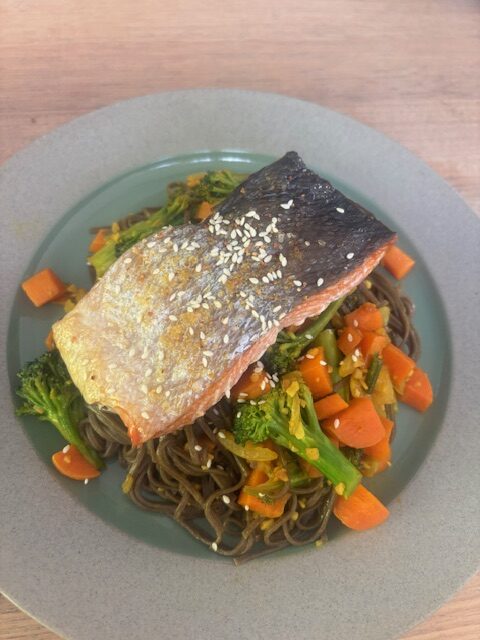
One of my favourite ways to include salmon is in a simple, flavour-packed salmon and soba noodle dish, which brings together omega-3s, fibre-rich vegetables, healthy fats, and anti-inflammatory spices. This recipe is featured in my book, and I’ve shared it below so you can try it yourself.
Salmon & Soba Noodles
SERVES 1
PREPARATION 5-10 minutes
COOKING 15-20 minutes
100 grams raw salmon (skin on or off)
2 tsp extra virgin olive oil
1 cup broccoli florets, chopped into small pieces
1 carrot, chopped into small pieces
¼ onion diced
2 cloves garlic, crushed
50 grams cooked soba noodles
1 tbsp reduced-salt soy sauce
1 tsp turmeric powder
1 tbsp sriracha
1 tsp unhulled sesame seeds
1. Heat the oven to 180°C.
2. Use 1 teaspoon of oil to coat salmon, season with salt and pepper, then bake in the oven at 180°C for 15 mins or until it’s cooked to your liking.
3. Meanwhile, use the other teaspoon of olive oil to sauté onion and garlic, then add in other veggies and cook until soft. Add in sauces and turmeric and mix well. Add a little water to help steam and accelerate the cooking process.
4. Cook noodles according to pack instructions, drain, then add to the pan with the veggies and mix through. Top with salmon and sesame seeds and serve.