A Pharmacist & Nutritionist’s Guide
Hot flushes are one of the most common and frustrating symptoms women experience during perimenopause. They can strike suddenly, disrupt sleep, leave you drenched in sweat, and make you feel like your body is no longer playing by the rules. As a pharmacist, nutritionist and certified menopause practitioner, I see this every day in clinic – and I want you to know that while hot flushes are common, they are manageable.
What causes hot flushes in perimenopause?
During perimenopause, your hormones don’t simply decline in a neat, predictable way – they fluctuate. Progesterone levels typically fall first, oestrogen can swing wildly up and down, and testosterone gradually declines over time. These hormonal shifts disrupt your daily rhythm, often leaving you feeling tired, drained and completely worn out.
Changing hormone levels also affect the brain’s ability to regulate body temperature. It’s as though your internal thermostat becomes faulty. The brain misreads normal body temperature as being “too hot” and triggers sudden heat, flushing of the face, sweating and sometimes heart palpitations as your body tries to cool itself down. When this happens at night, it can severely impact sleep quality, compounding fatigue and irritability.
Nutrition strategies to support hot flushes
One evidence-informed approach to managing hot flushes is supporting hormone balance through phytoestrogens – naturally occurring plant compounds that can have gentle oestrogen-like effects in the body.
Research suggests that women consuming traditional phytoestrogen-rich diets – such as Japanese women who regularly eat tofu, miso and fermented or boiled soybeans – tend to report fewer hot flushes than women living in Western countries.
You can increase phytoestrogens in your diet by including:
- Soy foods: tofu, tempeh, miso, edamame, soy milk or soy drinks
- Wholegrains: oats, rice, barley, quinoa
- Seeds and nuts: ground flaxseed, sesame seeds, sunflower seeds, pistachios, almonds
- Vegetables and herbs: garlic, turmeric, carrots, alfalfa
As a practical guide, this might look like one glass of soy milk, around 200 g of tofu or tempeh, and about 40 g of ground flaxseed spread across the day. In my book, It’s Not You, It’s Perimenopause, I go into far more detail on how to tailor these strategies to your individual needs.
Hydration, caffeine and alcohol
Staying well hydrated is critical. If you’re experiencing hot flushes or night sweats, your fluid requirements may be higher than usual. Water is essential, and for some women, an appropriate electrolyte solution can help.
Be mindful that caffeine, hot drinks and alcohol can trigger hot flushes for some women. If you notice a link, consider reducing your intake – particularly in the afternoon and evening.
Mediterranean-style eating and healthy fats
Extra virgin olive oil, a cornerstone of the Mediterranean diet, has been associated with reductions in the severity and intensity of hot flushes. It’s also a delicious way to support cardiovascular health, inflammation and overall wellbeing during perimenopause.
Lifestyle tools that matter
Meditation and mindfulness practices may help soothe hot flushes and night sweats by calming the nervous system and improving stress resilience. Creating a sleep environment that supports temperature regulation is also important:
- Use light blankets or sheets
- Choose loose, breathable sleepwear
- Opt for natural fibres such as cotton, linen or wool
- Keep a fan or cooling option nearby
Medications, hormones and supplements
There are medications specifically approved to help manage hot flushes, and hormone replacement therapy (HRT/MHT) may also be appropriate for some women. These options should always be discussed with your doctor.
Some supplements may assist, but evidence varies and dose, safety and interactions matter – especially if you are taking other medications.
Examples discussed in my book include:
- Specific probiotic strains (particularly certain Lactic Acid Bacteria)
- Red clover
- Vitex (chaste tree/chasteberry)
- Black cohosh
- Siberian rhubarb (Rheum rhaponticum)
- Ashwagandha
- St John’s wort
Each of these requires careful consideration, and I cover the research, dosing, side effects and safety considerations in detail in It’s Not You, It’s Perimenopause.
My hot flush-busting “cooling” smoothie
In traditional Chinese medicine, foods are often described as having warming or cooling properties. While more research is needed, both ancient traditions and modern studies explore how food choices may influence heat and inflammation in the body.
When hot flushes strike, one strategy may be to include cooling foods such as cucumber, radish, cabbage, bok choy, cauliflower, carrots, watermelon, pears and apples.
Hot Flush Busting Smoothie Recipe
- 1 cup frozen watermelon
- ½ cup cucumber, sliced
- ½ medium apple, peeled
- Juice of ½ lime
- ¾ cup water
- A handful of ice
Blend until smooth.
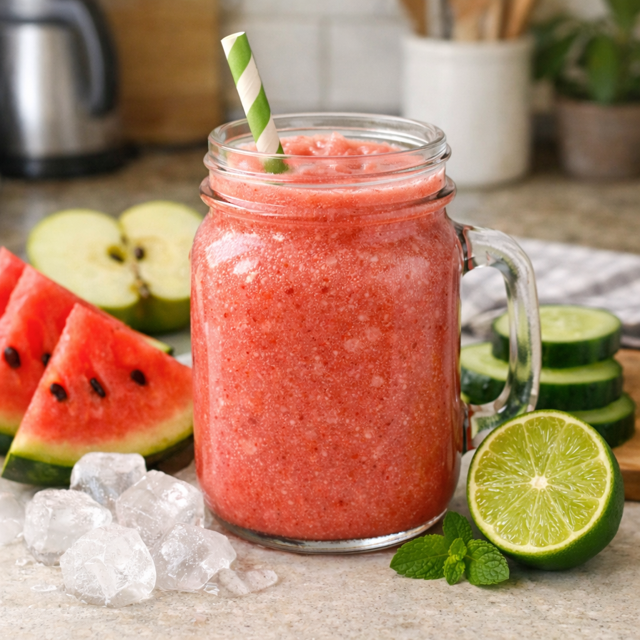
This refreshing smoothie is hydrating, light, and may help take the edge off that internal “overheating” feeling when hot flushes hit.
Hot flushes can feel overwhelming, but with the right combination of nutrition, lifestyle strategies, medical support and evidence-based supplementation, they don’t have to run your life. And remember – it’s not you, it’s perimenopause.